
Water Leak Detection and Repair in Denver, CO
Sewer Lines Plus locates and repairs water leaks for residential properties across the Denver metro area. Hidden water leaks behind walls, beneath concrete slabs, and in underground water lines waste hundreds of gallons per day, inflate the Denver Water bill, and cause structural damage that goes undetected for weeks or months. Professional leak detection pinpoints the exact leak location without tearing apart walls, floors, or landscaping.
Denver creates specific conditions that accelerate leak development. Expansive clay soils shift with seasonal moisture, placing lateral pressure on underground pipes and slab connections. Freeze and thaw cycles between November and March crack rigid pipe materials and stress joints. Denver hard water at 15 to 20 grains per gallon corrodes copper pipes from the inside, thinning pipe walls until pinhole leaks develop. Homes built before the mid 1960s with galvanized iron water lines are the most susceptible to internal corrosion leaks.
Every leak detection service begins with a free estimate, transparent pricing, and a written scope of work. Our estimators are not paid on commission and recommend only necessary repairs.
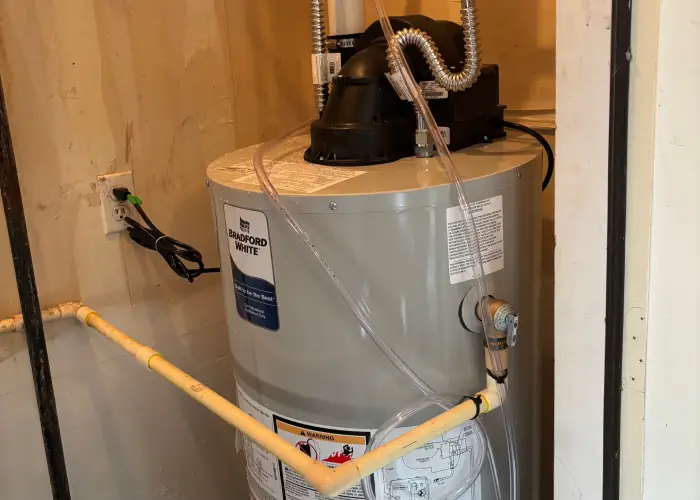
Signs of a Water Leak in Your Denver Home
Water leaks produce specific warning signs. Some are obvious. Others are detectable only through careful observation or professional equipment.
Unexplained increase in the Denver Water bill
A spike of 25% or more without increased usage indicates a hidden leak in the supply system. Denver Water's tiered rate structure means wasted water from a leak compounds the cost rapidly.
Sound of running water when no fixtures are on
Hearing water flow through walls or beneath the floor when every faucet, toilet, and appliance is off signals an active pressurized supply line leak.
Warm or damp spots on the floor
A hot water supply line leak beneath a concrete slab creates a warm patch on the flooring above it. Any unexplained dampness on tile, hardwood, or carpet warrants investigation, especially in Denver's typically dry indoor climate.
Water stains on walls or ceilings
Yellow or brown stains, bubbling paint, or peeling wallpaper indicate a leak from a supply line, drain, or fixture connection inside the wall cavity. Ceiling stains on a lower floor often trace to a bathroom leak on the floor above.
Wet spots or pooling in the yard
Water surfacing between the meter pit and the house indicates an underground water service line leak. In winter, an unusually green or unfrozen patch of lawn is a common leak indicator in Denver.
Foundation cracks or sticking doors.
Water saturating Denver's expansive clay soil causes swelling that shifts the foundation. New cracks in walls, uneven floors, and doors that suddenly stick in their frames may result from a slab leak undermining the foundation.
Mold or musty odor.
Persistent moisture from a hidden leak creates conditions for mold growth inside walls, beneath flooring, and in crawl spaces. A musty smell without a visible moisture source indicates a concealed leak.

Denver Water Meter Test
Homeowners can perform a simple meter test to confirm an active leak. Turn off every fixture, appliance, and irrigation system in the home. Locate the water meter (typically in a pit near the curb) and check if the flow indicator dial is still moving. If the dial moves with all water off, an active leak exists in the supply system between the meter and the home.
Leak Detection Methods
Professional leak detection uses specialized equipment to locate leaks without unnecessary excavation or demolition. Each method targets a different leak type and location.
Detection Method | How It Works | Best For |
Acoustic Leak Detection | Amplifies the sound of pressurized water escaping through a pipe wall or joint; ground microphones and listening discs isolate the sound location | Underground water lines, slab leaks, leaks behind walls where the pipe is under pressure |
Electronic Leak Detection | Electromagnetic sensors trace pipe paths and identify anomalies in the signal where a breach exists | Locating pipe routes before excavation; identifying leak zones in supply lines |
Thermal Imaging | Infrared camera detects temperature differences on wall, floor, and ceiling surfaces caused by moisture or hot water leaks | Hot water slab leaks, in wall leaks, identifying moisture spread behind finished surfaces |
Pressure Testing | Isolates sections of the supply system and measures pressure drop over time; a pressure drop confirms a leak in that section | Confirming an active leak exists; narrowing the leak to a specific pipe section before pinpointing with acoustic or thermal tools |
Video Pipe Inspection | Waterproof camera inserted into the pipe provides real time video of the pipe interior, identifying cracks, corrosion, and joint separation | Drain and sewer line leaks; identifying pipe condition and material before recommending repair or replacement |
Sewer Lines Plus uses a combination of these methods on every leak detection service. Starting with pressure testing to confirm the leak, then acoustic and thermal imaging to pinpoint the location. This multi method approach reduces unnecessary excavation and limits repair access to the smallest possible area.
Leak Types and Repair Options
The repair method depends on the leak location, pipe material, and extent of damage. Each repair option serves a different situation.
Leak Type | Repair Option | When It Applies |
Pinhole leak in copper pipe | Spot repair (cut and splice) | Isolated damage on a copper line with otherwise healthy pipe; single point failure |
Corroded pipe section | Section replacement | Multiple pinhole leaks or corrosion concentrated in one area; rest of the pipe is serviceable |
Slab leak (supply line) | Spot repair through slab or reroute above slab | Single leak point under slab: spot repair. Multiple leaks or corroded pipe under slab: reroute new line through walls or ceiling to bypass slab entirely |
Underground water service line | Spot repair or full line replacement | Isolated break: spot repair. Galvanized or polybutylene line: full replacement with copper or PEX |
Pipe joint failure | Joint resolder, resweat, or fitting replacement | Solder joint that failed from thermal cycling or Denver soil movement; fitting that loosened from water hammer |
Widespread corrosion (galvanized or polybutylene) | Full repiping | Pipe material has reached end of life; multiple leaks indicate systemic failure rather than isolated damage |
When the pipe material itself has reached end of life, spot repairs only delay the next failure. Homes with galvanized iron or polybutylene water lines should consider whole home repiping to eliminate systemic leak risk.
Benefits of Professional Leak Detection
- Pinpoint Accuracy Without Demolition. Acoustic, electronic, and thermal detection methods locate the leak source without tearing apart walls, floors, or landscaping. Repair access is limited to the smallest necessary opening.
- Water Damage Prevention.A hidden slab leak saturates the soil beneath the foundation, causing swelling, settlement, and cracks. Early detection prevents thousands of dollars in foundation repair. A wall leak creates mold conditions within 24 to 48 hours of continuous moisture.
- Reduced Water Bill. A 1/8 inch supply line crack wastes approximately 250 gallons per day. At Denver Water rates, that adds $50 to $100 per month to the water bill. Detection and repair stops the waste immediately.
- Preserved Property Value. Mold, foundation damage, and water staining reduce property value and create disclosure obligations during sale. Professional leak detection and documented repair protects resale value.
- Accurate Repair Recommendation. Detection identifies whether the leak is an isolated pinhole, a corroded section, or a systemic pipe material failure. This determines whether a spot repair, section replacement, reroute, or full repiping delivers the best long term value.
Our Leak Detection and Repair Process
Sewer Lines Plus follows a diagnostic first process on every leak detection call. Our estimators are not paid on commission, and our pricing is transparent with no hidden charges.
Schedule a no wait appointment
Contact our team by phone or online form. Describe the symptoms (high water bill, wet floor, running water sounds, warm spots, yard pooling) so we arrive with the right detection equipment.
Free on site evaluation
A licensed plumber checks the water meter, tests supply pressure, and performs a visual inspection of the home interior, exterior, and yard for leak indicators. We explain every finding clearly.
Professional leak detection
We use pressure testing to confirm the leak, then acoustic listening, thermal imaging, and electronic tracing to pinpoint the exact location. The detection process is non invasive and does not damage walls, floors, or landscaping.
Detailed written estimate
We present repair options (spot repair, section replacement, reroute, or repiping) with transparent pricing. We explain the leak type, pipe condition, and which option delivers the best long term value. No pressure, no surprises.
Complete the repair
Our plumber performs the approved repair with minimal access opening. Supply line repairs include pressure testing and leak verification at every connection before closing any access point.
Post repair testing
We pressure test the repaired section, verify flow and pressure at all fixtures, recheck the water meter for continued movement, and document the repair for the homeowner's records.
Why Denver Homeowners Choose Sewer Lines Plus
Our tagline is “ethics matter.” That philosophy shows in how we detect, diagnose, and repair every water leak.
Free Estimates and Second Opinions
Every leak detection service begins with a free on site evaluation. Homeowners who received a quote from another company receive a free second opinion with a detailed written comparison.
Over 800 Five Star Reviews
Denver metro homeowners have left over 800 verified five star reviews based on transparent pricing, clear communication, and accurate leak detection.
No Pressure Sales
Our estimators are not paid on commission. They locate the leak, present repair options, and recommend only necessary work. We never push a full repipe when a spot repair restores the system.
Licensed and Fully Insured
Every plumber on our team is licensed and covered by general liability and workman’s compensation insurance.
Clear Communication
We explain the detection method, the leak source, the pipe condition, and every repair option before starting work. No tricks, no gimmicks, no hidden charges.
No Wait Appointments
We schedule specific appointment windows so homeowners are not waiting around for a technician.
Water Leak Detection and Repair FAQs
How much does water leak detection cost in Denver?
Water leak detection in Denver typically costs $150 to $400 for a standard residential detection service, depending on the number of detection methods used and the complexity of the system. Many plumbing companies include detection in the repair estimate if the repair is approved.
How much does slab leak repair cost in Denver?
Slab leak repair in Denver ranges from $500 to $2,500 for a spot repair through the slab. Rerouting a supply line above the slab to bypass the damaged section ranges from $1,500 to $4,000 depending on line length and routing complexity. Full repiping for systemic slab leak issues costs $4,000 to $8,000 or more.
How can I tell if I have a water leak?
Check for an unexplained increase in the Denver Water bill, sounds of running water with all fixtures off, warm or damp spots on floors, water stains on walls or ceilings, and wet spots in the yard. Perform a meter test: turn off all water in the home and check if the meter dial continues to move.
Can a slab leak cause foundation damage?
Yes. Water from a slab leak saturates Denver’s expansive clay soil beneath the foundation. The saturated clay swells, shifting the foundation and causing cracks in walls, uneven floors, and doors that stick in their frames. Early detection and repair prevents costly foundation work.
What is the difference between a supply line leak and a drain leak?
A supply line leak involves pressurized water and runs continuously, wasting water 24 hours a day. A drain leak only leaks when water flows through the drain (during fixture use). Supply leaks are detected by pressure testing and meter checks. Drain leaks require video pipe inspection. For water supply line services, learn more about water line services in Denver.
Does Sewer Lines Plus handle emergency leak repair?
Yes. Contact Sewer Lines Plus for emergency leak repair including burst pipes, active slab leaks, and sudden water loss. We respond across the Denver metro area and coordinate with Denver Water for meter shutoff when needed.