
Water Line Services in Denver, CO
Sewer Lines Plus installs, repairs, and replaces residential water lines across the Denver metro area. The water line is the underground pipe that carries pressurized water from the city water main at the street to the home’s plumbing system. When a water line leaks, breaks, or loses pressure, the entire house loses water supply or experiences reduced flow at every fixture.
Denver creates specific challenges for residential water lines. Expansive clay soils shift with seasonal moisture changes, placing lateral pressure on underground pipes. Freeze and thaw cycles between November and March stress pipe joints and cause fractures in rigid pipe materials. Homes built before the mid 1960s often have galvanized iron water lines that have corroded from the inside out over 50 to 60 years of service. Hard water at 15 to 20 grains per gallon deposits mineral scale inside supply lines, progressively reducing flow capacity.
Every water line service begins with a free estimate, transparent pricing, and a written scope of work. Our estimators are not paid on commission and recommend only necessary repairs or replacements.
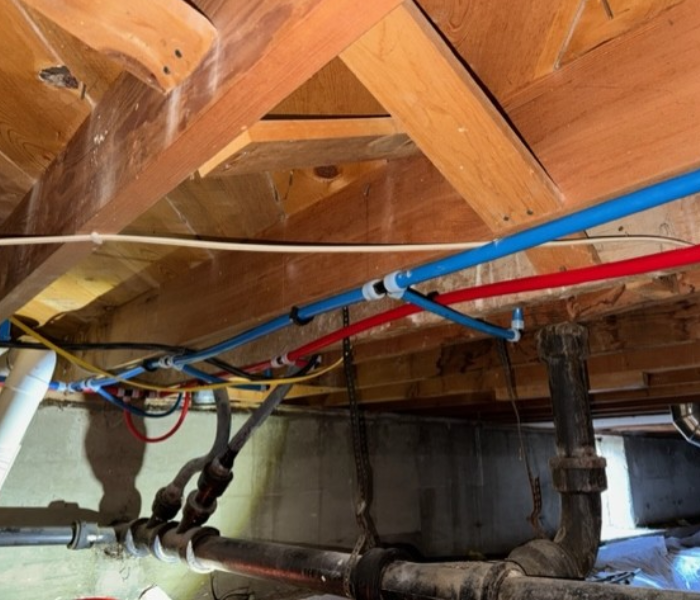
Complete Water Line Services for Denver Homes
Sewer Lines Plus covers every stage of water line ownership. Each service targets a specific need, from new line installation through emergency leak repair. Our licensed plumbers diagnose, quote, and complete every job with transparent pricing and no pressure sales.
Water Line Installation
New water line runs from the meter to the home for new construction, additions, or full line replacement. Service covers material selection (copper, PEX, CPVC), trenching or trenchless installation, connection to the city meter, permit coordination, and final inspection.
Water Leak Detection and Repair
Electronic and acoustic leak detection locates leaks without excavating the entire line. Repair options include spot repair for isolated damage, section replacement for corroded segments, and full line replacement when the pipe material has reached end of life.
Water Pressure Regulator Replacement
The pressure reducing valve (PRV) controls water pressure entering the home from the city main. Denver Water supplies water at 40 to 80 PSI depending on location and elevation. A failed PRV allows excessive pressure that damages fixtures, appliances, and supply connections throughout the home.
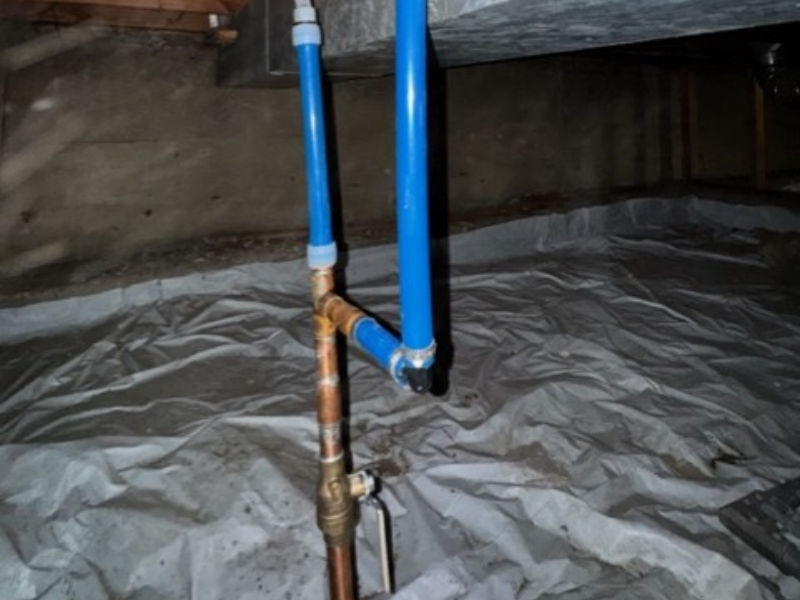
Denver Water Homeowner Responsibility
Denver Water maintains the water main running under the street and the service connection up to the water meter. From the meter to the house, the water line is the homeowner’s responsibility. This means the homeowner is responsible for all repairs, replacements, and maintenance on the private water service line between the meter pit and the point where the line enters the home.
When a leak or break occurs between the meter and the house, Denver Water will not repair it. The homeowner must hire a licensed plumber to locate, repair, or replace the damaged section. Understanding this responsibility line prevents delays when a water line emergency occurs. Sewer Lines Plus responds to water line emergencies across the Denver metro area and coordinates with Denver Water when meter access or temporary shutoff is needed.
Water Line Pipe Materials in Denver Homes
The pipe material in your water line determines its expected lifespan, failure mode, and replacement options. Denver homes span multiple construction eras, each with a different dominant pipe material.
Era Built | Common Pipe Material | Expected Lifespan | Common Failure Mode |
Pre 1960s | Galvanized iron | 40 to 60 years | Internal rust and corrosion; reduced flow; discolored water; pinhole leaks |
1960s to 1990s | Copper | 50 to 70 years | Pinhole leaks from acidic soil; joint failures from soil movement; green patina corrosion |
1978 to 1995 | Polybutylene (PB) | 10 to 15 years (known defect) | Chlorine and chloramine in water supply degrade the pipe from the inside; sudden splitting and bursting |
1990s to present | PEX or CPVC | 40 to 50+ years | UV degradation if exposed above ground; fitting failures if not properly crimped or glued |
Polybutylene (PB) water lines are a known defect material. If your Denver home was built between 1978 and 1995, the water line may be polybutylene. PB pipe degrades from chloramine in Denver Water’s supply and fails without warning. Proactive replacement before a burst prevents water damage and emergency repair costs.
Common Water Line Problems in Denver
Denver soil, climate, and infrastructure age create specific water line failure patterns.
Reduced water pressure throughout the house
A drop in pressure at all fixtures simultaneously indicates a partially obstructed or corroded water line between the meter and the house. Galvanized lines lose internal diameter as rust accumulates. Mineral scale from Denver hard water narrows the pipe opening over decades.
Unexplained increase in the water bill
A spike in the Denver Water bill without increased usage indicates a leak in the water service line. Underground leaks can run for weeks before visible signs appear at the surface.
Wet spots or pooling in the yard
Water surfacing in the yard between the meter pit and the house indicates a water line leak. Denver's expansive clay soil holds water near the surface, making wet spots visible. In winter, an unusually green or unfrozen patch in the yard is a leak indicator.
Discolored or rusty water
Brown or rusty water from all fixtures (not just hot water) indicates internal pipe corrosion. Galvanized iron water lines produce rust particles as the pipe corrodes from the inside. This water is not a health hazard but signals the pipe is approaching end of life.
Water line break or burst
A sudden loss of water supply or water gushing from the ground indicates a water line break. Freeze and thaw cycles between November and March are the leading cause of water line breaks in Denver. Rigid pipe materials (galvanized, copper, PVC) are more susceptible to freeze damage than flexible PEX.
Benefits of Professional Water Line Service
- Restored Full Water Pressure. Water line repair or replacement restores pressure and flow to every fixture in the home. A corroded galvanized line that delivers 3 GPM is replaced with a new PEX or copper line that delivers 8 to 12 GPM.
- Water Damage Prevention. Leak detection identifies underground leaks before they undermine foundations, saturate crawl spaces, or erode landscaping. Early detection saves thousands in property damage and water waste.
- Eliminated Water Waste. An underground leak wastes hundreds of gallons per day and inflates the Denver Water bill. Repair or replacement stops the waste immediately.
- Safe Drinking Water. Replacing corroded galvanized or polybutylene water lines with copper or PEX eliminates rust particles and chemical leaching from degraded pipe material.
- Safe Drinking Water. Replacing corroded galvanized or polybutylene water lines with copper or PEX eliminates rust particles and chemical leaching from degraded pipe material.
- Code Compliant Installation. Water line installation and replacement in Denver requires a plumbing permit, inspection, and compliance with Colorado Plumbing Code for pipe material, depth, and backfill. Licensed plumbers handle permits and inspections as part of the service.
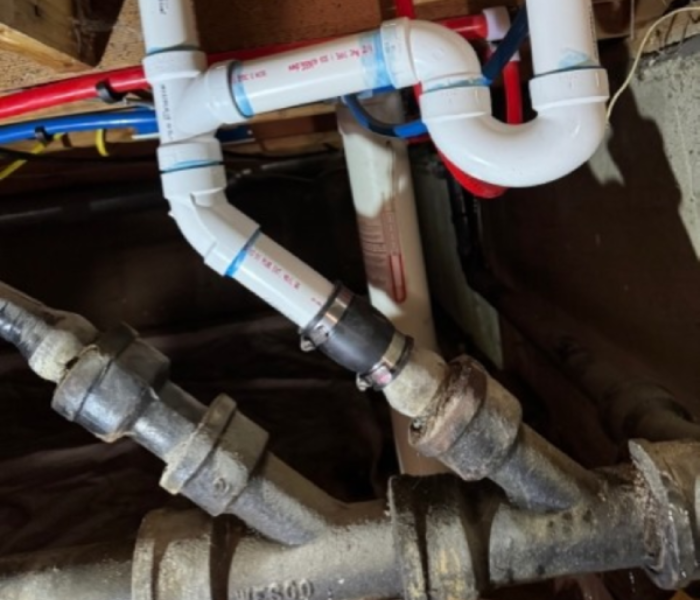
Our Water Line Service Process
Sewer Lines Plus follows a thorough process on every water line service. Our estimators are not paid on commission, and our pricing is transparent with no hidden charges.
Schedule a no wait appointment
Contact our team by phone or online form. Describe the symptom (low pressure, wet yard, high water bill, discolored water, no water) so we arrive prepared.
Free on site evaluation
A licensed plumber inspects the meter, tests water pressure, examines visible pipe sections, and uses leak detection equipment to locate the problem. We explain every finding clearly.
Detailed written estimate
We present repair and replacement options with transparent pricing. If the water line needs full replacement, we explain the material options, trenching scope, and permit requirements. No pressure, no surprises.
Complete the service
Our plumber performs the spot repair, section replacement, or full line installation. We coordinate with Denver Water for meter access and temporary shutoff when needed.
Post service testing
We pressure test the repaired or new line, verify flow at all fixtures, check for leaks at every connection, and schedule the final code inspection.
Why Denver Homeowners Choose Sewer Lines Plus
Our tagline is “ethics matter.” That philosophy shows in how we diagnose, estimate, and complete every water line service.
Free Estimates and Second Opinions
Every water line service begins with a free on site estimate. Homeowners who received a quote from another company receive a free second opinion with a detailed written comparison.
Over 800 Five Star Reviews
Denver metro homeowners have left over 800 verified five star reviews based on transparent pricing, clear communication, and work completed as quoted.
No Pressure Sales
Our estimators are not paid on commission. They diagnose the water line problem, present repair and replacement options, and recommend only necessary work.
Licensed and Fully Insured
Every plumber on our team is licensed and covered by general liability and workman’s compensation insurance.
Clear Communication
We explain the pipe material, the failure cause, and whether spot repair or full replacement delivers the best long term value. No tricks, no gimmicks, no hidden charges.
No Wait Appointments
We schedule specific appointment windows so homeowners are not waiting around for a technician.
Denver Metro Areas We Serve
Sewer Lines Plus provides water line services across the Denver metro area. Our service trucks operate throughout Jefferson County, Denver County, Arapahoe County, and Adams County.
Service areas include Denver, Lakewood, Arvada, Wheat Ridge, Golden, Littleton, Englewood, Centennial, Aurora, Westminster, Thornton, Broomfield, Highlands Ranch, and surrounding communities along the I 70, I 25, and C 470 corridors.
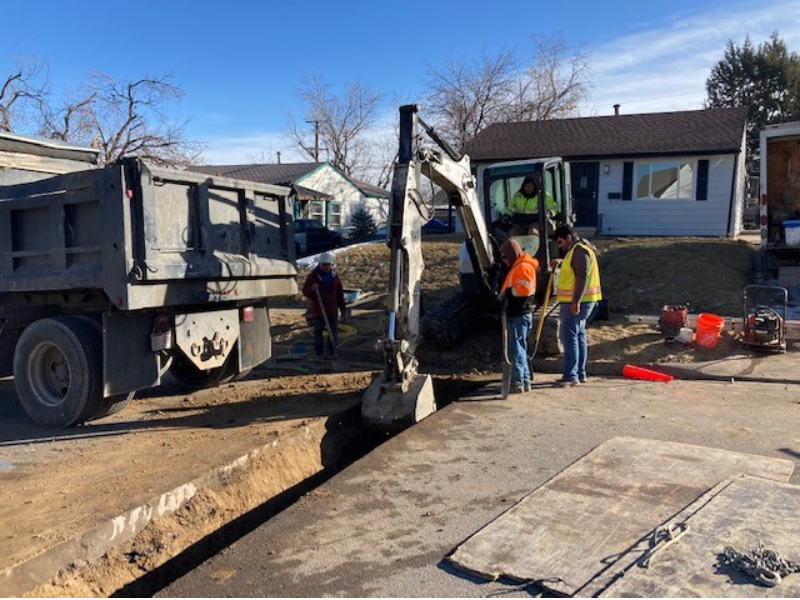
Water Line Service FAQs
How much does water line replacement cost in Denver?
Water line replacement in Denver ranges from $2,500 to $6,000 or more depending on line length, depth, pipe material, and whether trenching or trenchless installation is used. Trenchless methods reduce landscape disruption but may cost more for certain soil conditions.
How do I know if my water line is leaking?
Signs include a sudden increase in the Denver Water bill, reduced pressure at all fixtures, wet spots or pooling in the yard between the meter and the house, and an unusually green or unfrozen patch in winter. A licensed plumber uses electronic and acoustic detection to pinpoint the leak location.
Who is responsible for the water line from the street to my house?
Denver Water maintains the main and the connection up to the meter. From the meter to the house, the water line is the homeowner’s responsibility. All repairs, replacements, and maintenance on the private service line are the homeowner’s cost.
What pipe material is best for water line replacement in Denver?
PEX and copper are the two recommended materials for Denver water lines. PEX is flexible, freeze resistant, and corrosion proof. Copper is rigid, long lasting (50 to 70 years), and meets all local codes. Both outperform galvanized iron and polybutylene. Our plumbers recommend the best material based on soil conditions, depth, and budget.
Does Sewer Lines Plus handle water line emergencies?
Yes. Contact Sewer Lines Plus for water line emergencies including breaks, bursts, and sudden water loss. We coordinate with Denver Water for meter shutoff and respond across the Denver metro area.